

Anthropic positions Claude Opus 4.6 as better at planning, persistence, and agentic work.
True. But incomplete.
The real shift: Opus 4.6 manages effort explicitly now. It decides when to slow down, when to scan broadly, when to commit, and when to push through difficulty without asking permission.
That changes how you should use it.

What’s in this article:
What actually changed and why it matters
A practical playbook for getting leverage from it
What actually changed in Opus 4.6
Anthropic's claim:
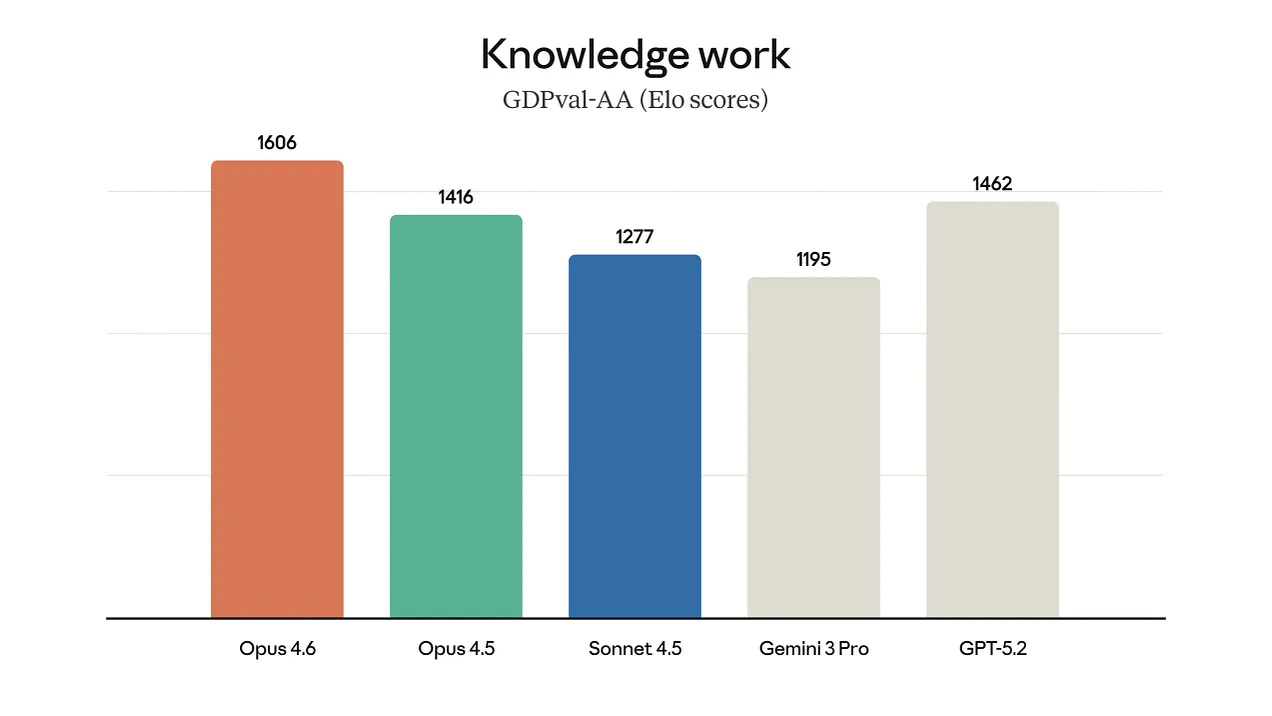
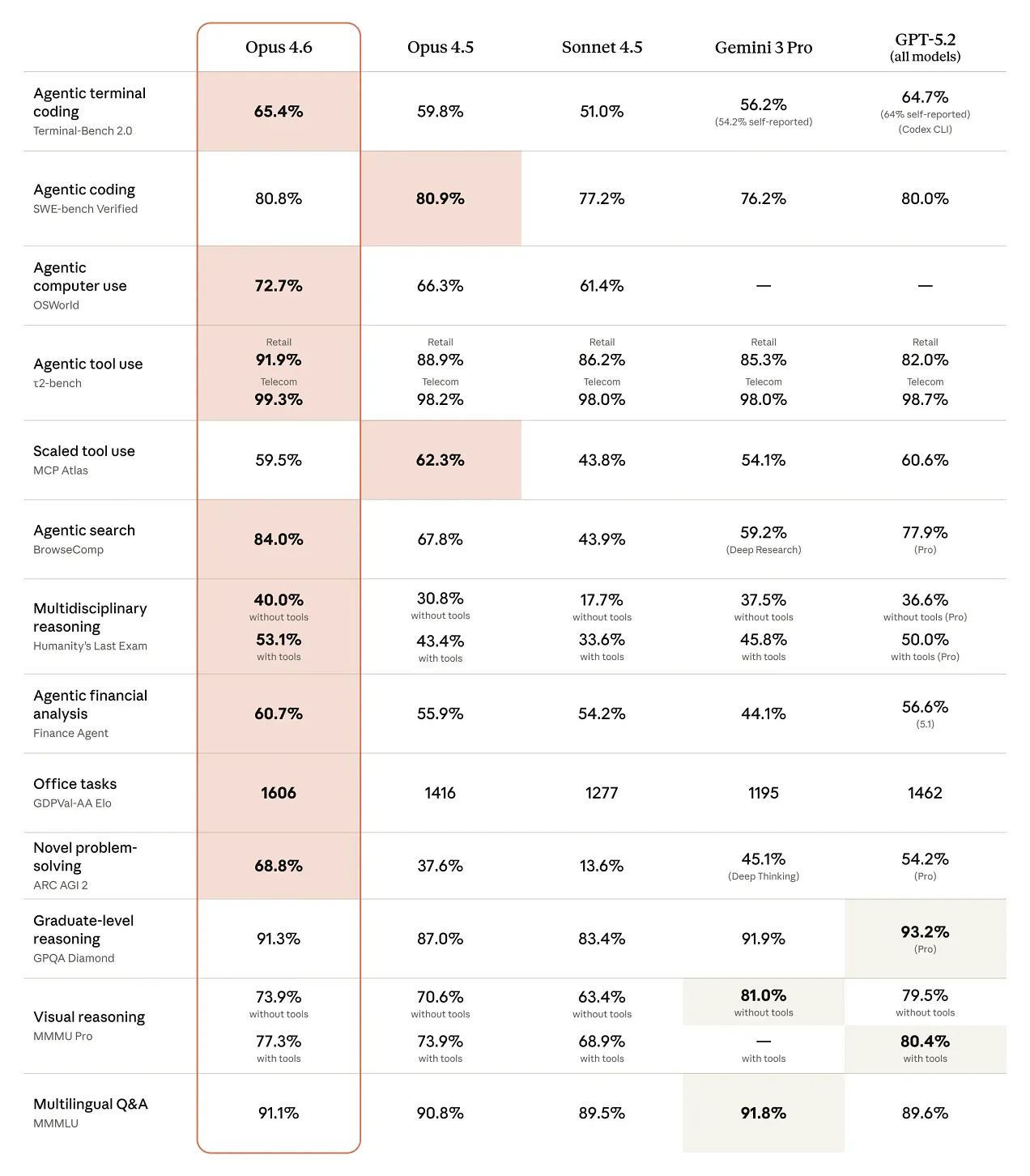
“Across agentic coding, computer use, tool use, search, and finance, Opus 4.6 is an industry-leading model, often by a wide margin. The table below shows how Claude Opus 4.6 compares to our previous models and to other industry models on a variety of benchmarks.”
Here's what that means in practice:
1. Effort is now adaptive
Opus 4.6 decides how much reasoning to apply based on task complexity.
Hard problems get longer planning and revisited reasoning. Simple ones move faster.
This shows up through effort levels and adaptive thinking, but also in default behavior.
What this means for you: Stop treating all prompts the same. The model responds differently to ambiguous versus well-scoped work now.
2. Long context is usable, not theoretical
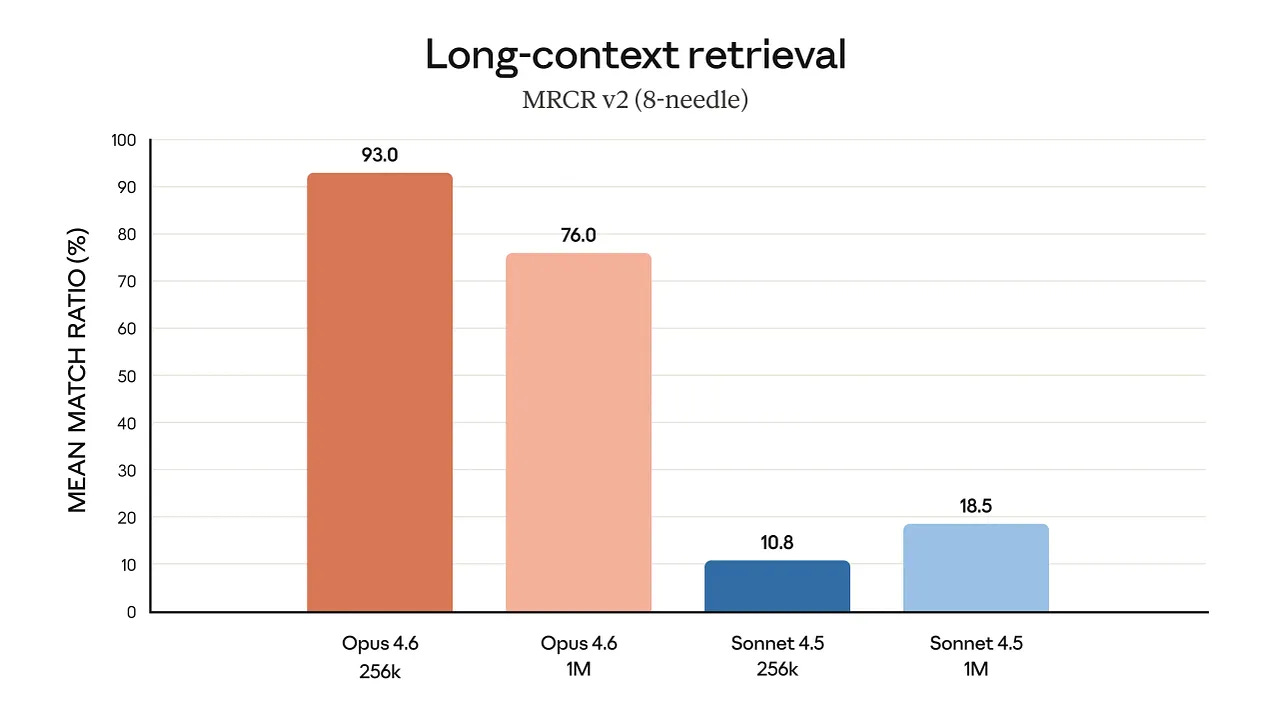
Opus 4.6 has a 1M token context window (beta). More importantly: performance holds deep into long sessions.
This fixes context degradation in large codebases, long documents, and multi-source research.
What this means for you: Front-load material instead of drip-feeding context. The model can handle it.
3. Agentic stamina improved
Opus 4.6 sustains multi-step work without drifting or asking for reassurance.
It tries alternatives internally and commits to implementations faster.
This shows up in agentic coding, debugging, and complex research.
What this means for you: If you don’t define scope boundaries, it may do more than you expected.
4. Writing quality holds over distance
Style matching, structural coherence, and intent persistence are materially better in long-form documents.
What this means for you: Claude can act as a true co-author if you treat voice and constraints as first-class inputs.
When Opus 4.6 is the right tool
Opus 4.6 shines when tasks are:
Ambiguous rather than procedural
Large rather than isolated
High-stakes rather than disposable
Multi-artifact rather than single-file
If your task is trivial, dial effort down.
If it’s strategic, architectural, or analytical, Opus 4.6 is where gains compound.
What’s behind the paywall
The premium section is a hands-on operating guide, not commentary.
A Simple Operating Model
How to work with Opus 4.6’s adaptive effort system. When to let it run, when to constrain it.Best Practices by Task Type
Specific approaches for coding, research, writing, and analysis. What works, what doesn’t.Do’s and Don’ts
Clear rules that prevent overthinking and scope creep. Learned from 100+ hours using Opus 4.6.Reusable Prompt Library
Prompts designed specifically for Opus 4.6’s capabilities. Tested, refined, ready to use.Copy-Pasteable Templates
Adapt immediately. No guessing what to try first.
This is meant to be used, not read once.