

Andrej Karpathy said it in June 2025: the LLM is a CPU, the context window is RAM, and you are the operating system responsible for loading exactly the right information for each task.
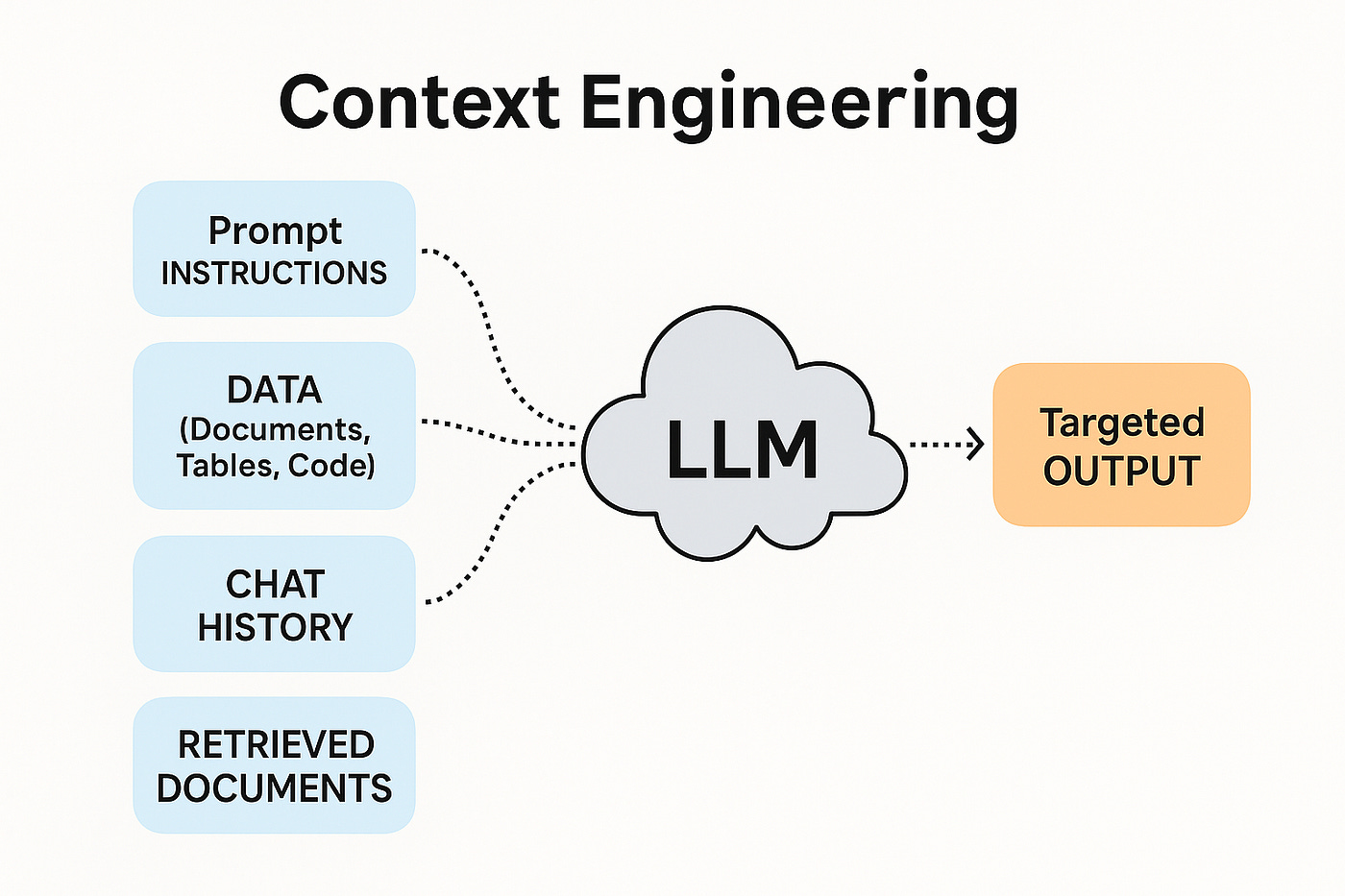
The bottleneck is no longer what you ask. It’s what information surrounds the ask.
What Stopped Working
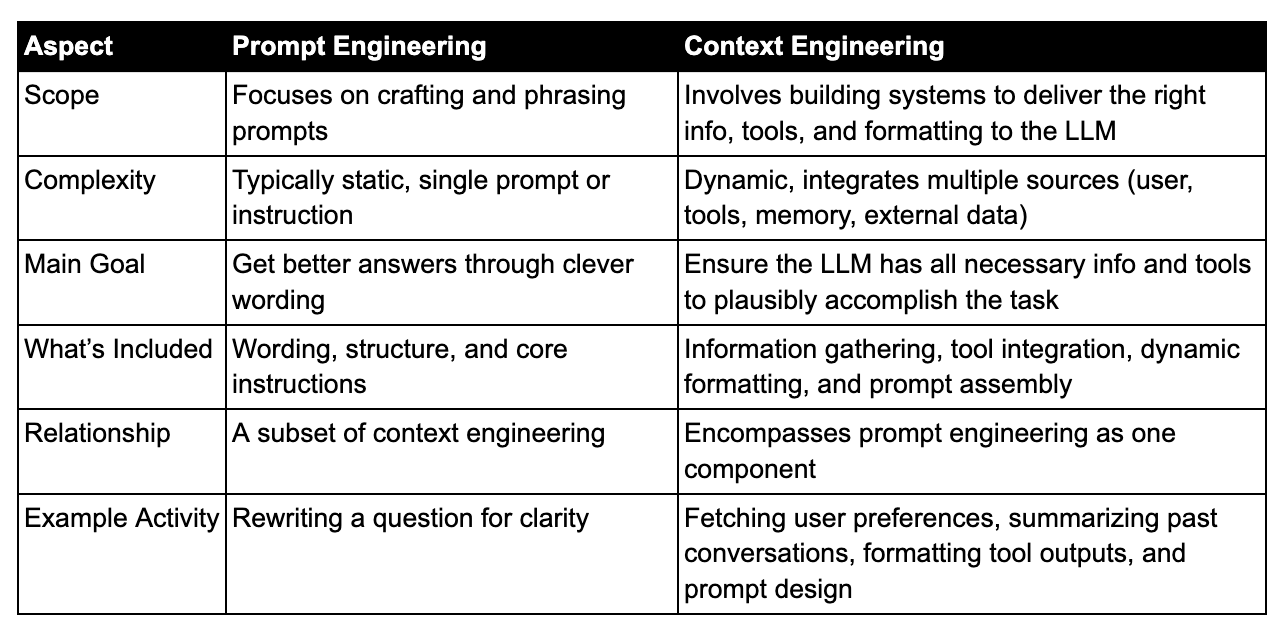
“Think step by step” hurts reasoning models. GPT-5’s router architecture handles reasoning internally. Explicit chain-of-thought instructions are now redundant or harmful. OpenAI’s own documentation warns against it.
Aggressive formatting destroys output quality. ALL-CAPS, “YOU MUST”, “NEVER EVER” overtrigger Claude and produce worse results.
Long prompts degrade performance. Reasoning starts degrading around 3,000 tokens. The practical sweet spot is 150-300 words.
Few-shot chain-of-thought no longer improves reasoning. Their only remaining function is format alignment.
What Replaced It
Automated prompt optimization. Meta-prompting. Prompt-as-code with version control.
The shift is from crafting clever questions to engineering entire information systems.
📚 What’s Inside this Context Engineering Guide
Part 1: The 2026 prompt architecture (6 components, universal template)
Part 2: Platform-specific playbooks for GPT-5.2, Claude 4.6, and Gemini 3.1 with exact templates and parameters
Part 3: Context engineering framework (LangChain’s four strategies, context rot prevention, Stanford’s ACE)
Part 4: High-ROI workflows for founders, investors, and employees with copy-paste prompts
Part 5: The context files system that makes any LLM understand you
Part 6: What breaks and how to fix it
Here’s the full guide:
Context Engineering: The Complete 2026 Playbook
Part 1: The 2026 Prompt Architecture
The effective prompt in 2026 is not a single block of text. It’s a modular architecture assembled from distinct components.
Cross-model consensus has converged on six core elements: