

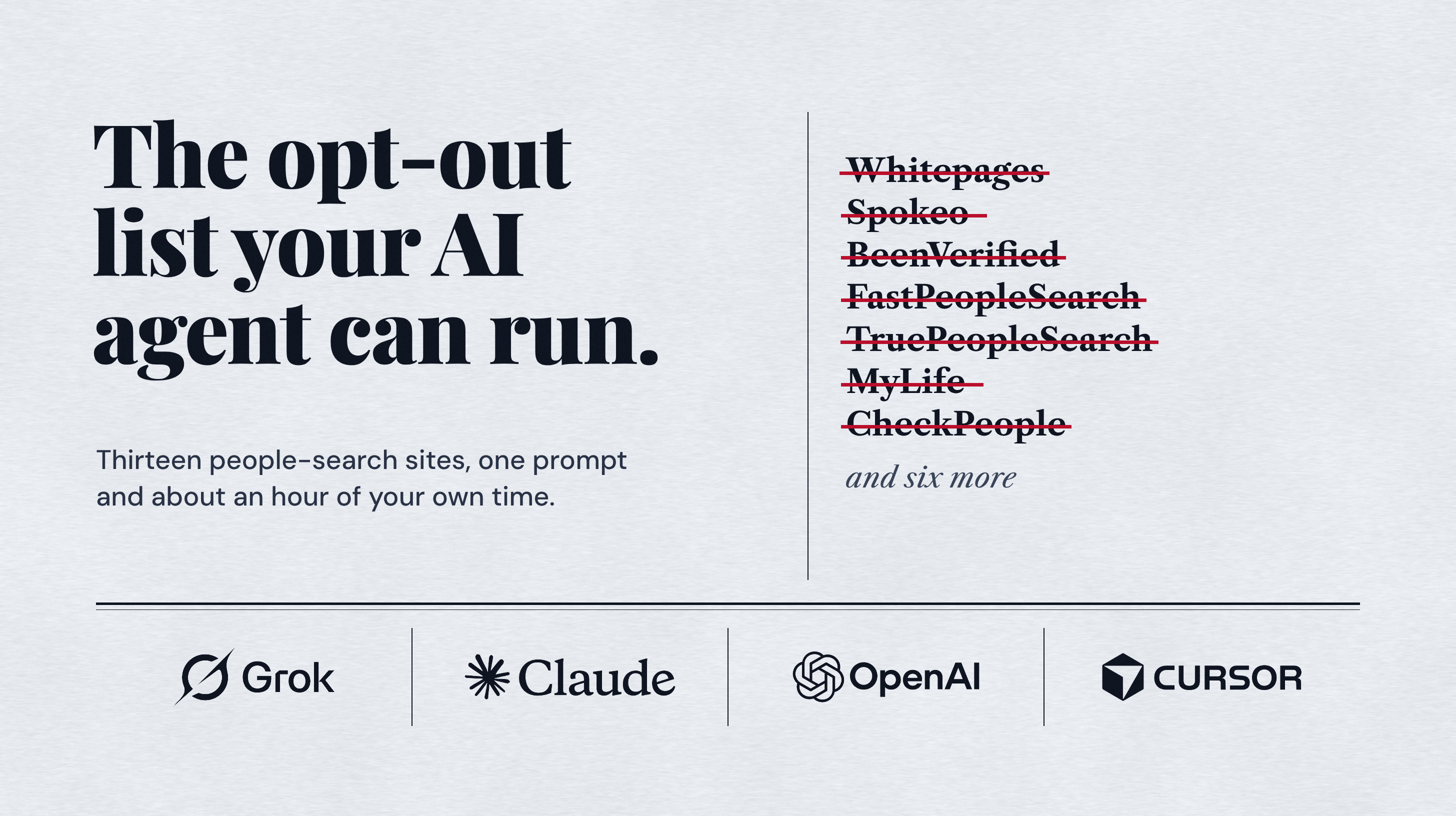
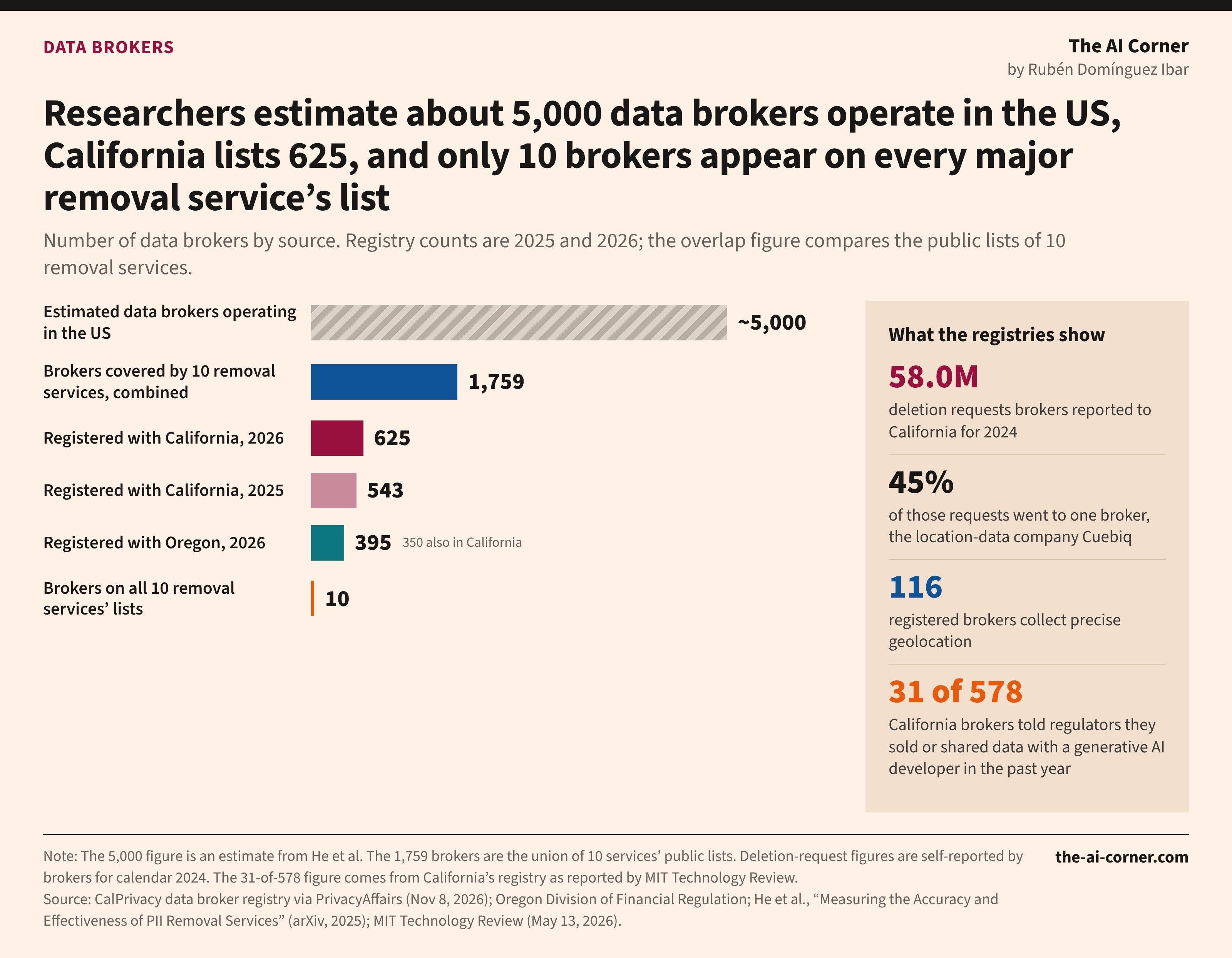
Type your name and city into a people-search site. One page can show your home address, your phone number, the cities you lived in over the last decade and the names of your relatives, and anyone can buy it. Researchers estimate around 5,000 data brokers trade this information in the US. California alone has 625 on its registry.
In 2026 that data found a new outlet. MIT Technology Review showed Google’s Gemini handing strangers people’s phone numbers in May, and a Futurism test cited by EPIC found Grok returning correct home addresses for at least 10 of 33 private people. Scammers only need the page. Americans reported losing a record $15.9 billion to fraud in 2025, up from $12.5 billion a year earlier.
The free routes beat the paid ones
I went through both independent tests of removal services, California’s new deletion system and every agent template I could find. The result surprised me. In Consumer Reports’ test, manual opt-outs removed 70% of listings within a week. The seven paid services it tested removed 35% of the 332 listings they were asked to handle after four months.
The paid services also work from lists that barely overlap. A 2025 study compared ten services’ public broker lists: together they covered 1,759 brokers, and only 10 brokers appeared on all ten.
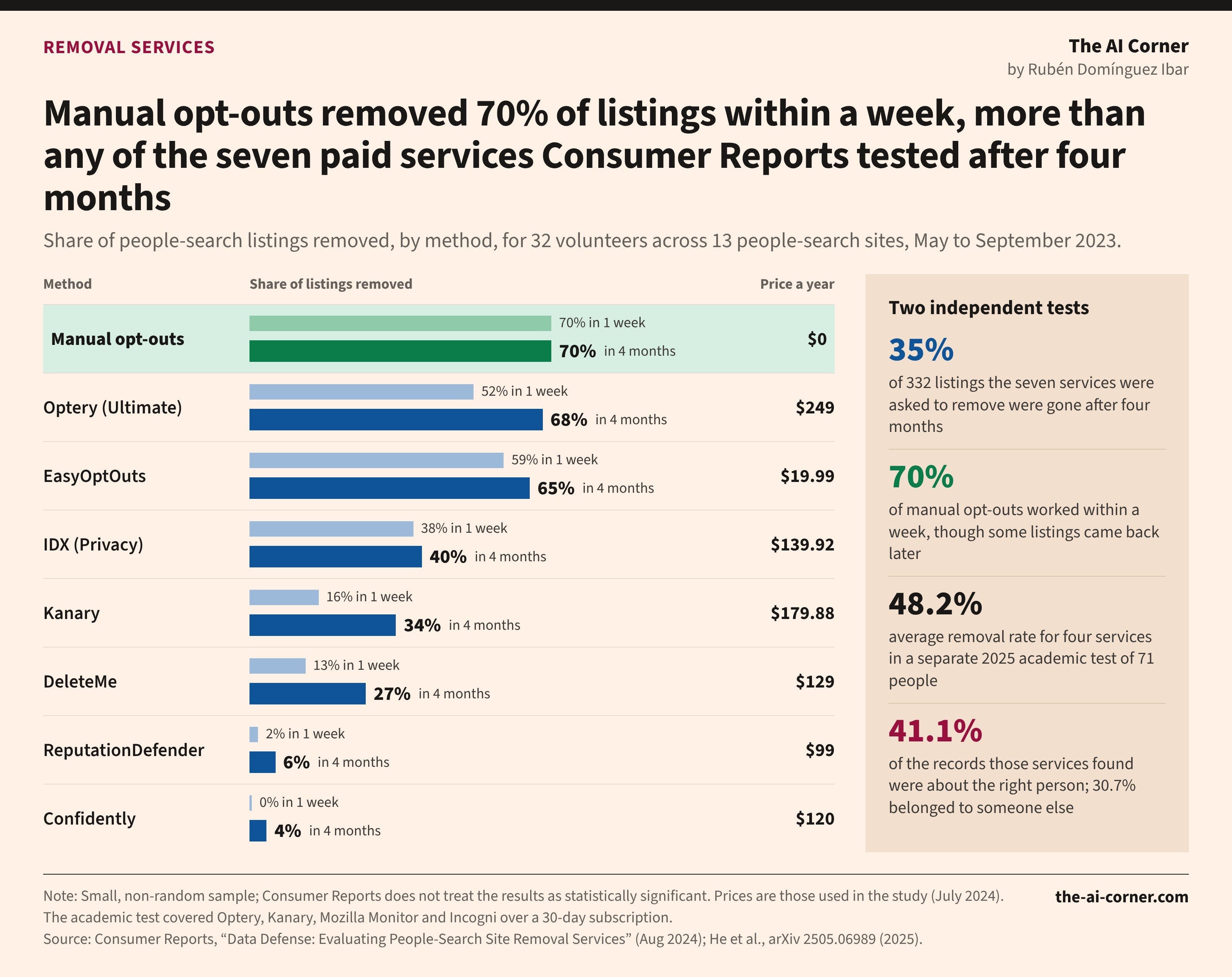
Paid services charge $20 to $250 a year for one person. The free routes cost $0 and their price is time. Thirteen sites with confirmation emails, phone codes and listings that come back add up to a few hours up front. An agent takes over that part.
Two free filings that take minutes
California residents: DROP sends one deletion request to all 600+ registered data brokers. It takes about ten minutes, and each broker has to pull new requests at least once every 45 days and delete what matches. It’s the best privacy move available in 2026 if you live in California.
Everyone in the US: Google’s Results about you finds search results that show your phone number, home address or email and lets you request their removal. More than 10 million people have used it.
Both routes leave gaps. DROP reaches registered brokers only and excludes publicly available information, so people-search pages built from public records can stay up. Google hides results from Search while the page stays live on the broker’s site. The 13 site-by-site opt-outs close those gaps, and that’s the work you hand to an agent.
Where an AI agent fits
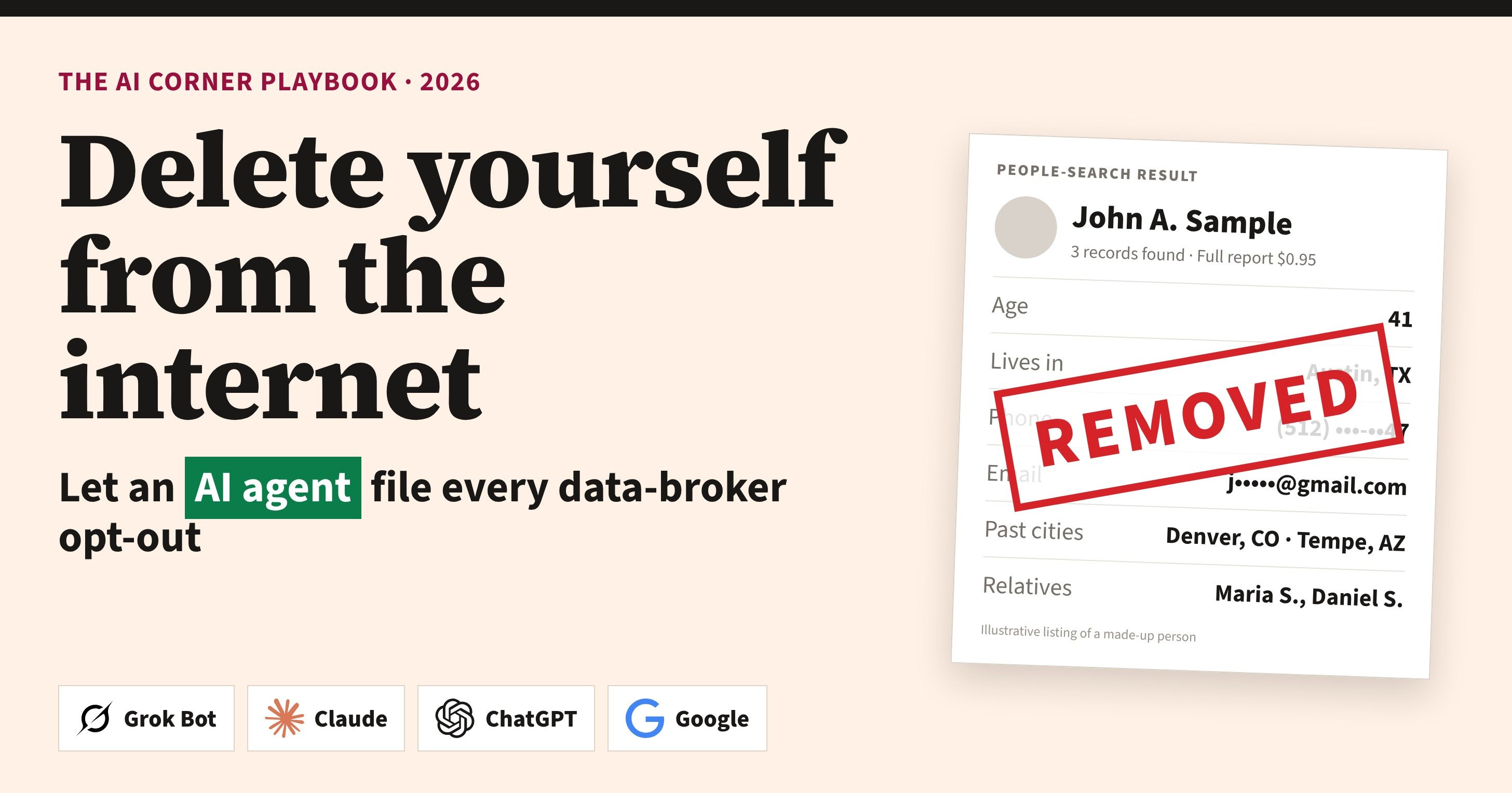
An agent takes the repetitive part: it searches each site, fills in the form, clicks the confirmation email, logs the date and checks again a month later. You keep CAPTCHAs, phone codes and identity checks, because some sites ask for a driver’s license or a full date of birth and those requests come back to you so you can decline them. Because Grok Bot runs on its own computer, the work continues while your laptop is closed.
One developer asked Grok Bot to remove his and his wife’s details from hundreds of brokers and called it almost no effort.


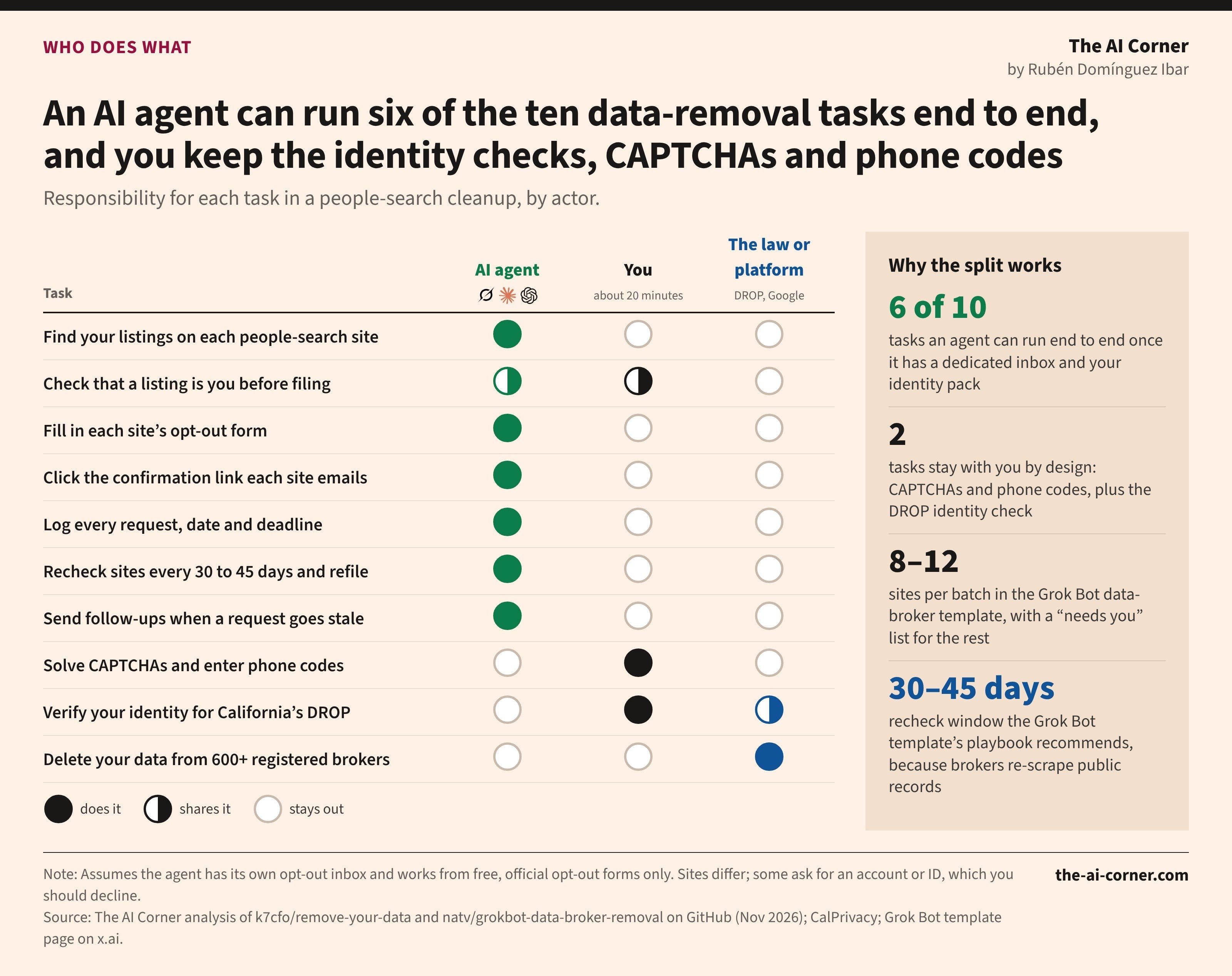
Grok Bot, Claude Code, Codex, Cursor and any browser agent can run the job. The paid playbook has the setup for each.
The playbook
Plan on about an hour of your own time spread over 90 days. The agent does the rest.
What’s inside the paid playbook
The Agent Removal Prompt. One copy-paste prompt for Grok Bot, Claude, ChatGPT’s agent or any browser agent. It files only on a two-detail match and parks CAPTCHAs, phone codes and ID requests on a “Needs me” list.
The 13-site opt-out table with direct links, in run order, plus which five sites hand something back to you.
The 90-day plan, with the 20 minutes you spend on the “needs me” list and the monthly rescan that keeps listings from coming back.
A 30-minute setup checklist with the opt-outs-only inbox, your identity pack and the four details that stay with you.
A monthly rescan prompt, a ready-to-send ID-decline email for MyLife, the family setup and the skip list. The skip list includes the two paid services that removed 4% and 6% of listings after four months.
Some of the 13 pages carry paid “identity protection” links, and an eager agent clicks the most prominent button. Rule five of the prompt covers that.
A look at the first lines of the prompt:
You are my data-removal assistant. Your job: remove my personal listings from US people-search sites using each site’s free opt-out form.
MY IDENTITY PACK
Name and variants: [full legal name; other spellings you have used]
Current city and state: [City, ST]
The first three of the 13 sites, in run order:
Whitepages: find your listing, then enter the code from an automated call
Spokeo: paste your listing URL and confirm by email
BeenVerified: one opt-out per email address, confirmed by email
Cancel anytime. First subscribers get 50% off forever.