

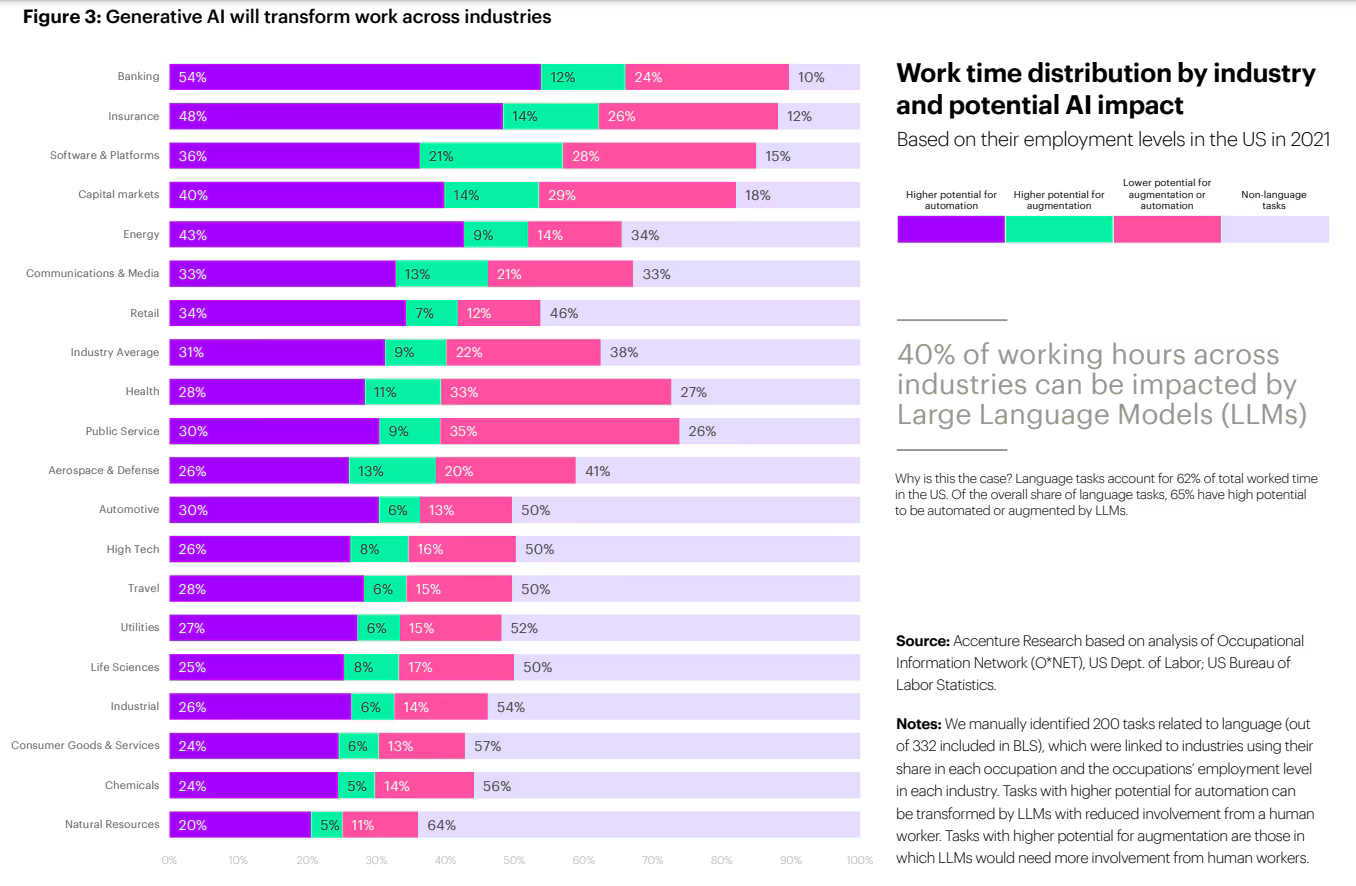
Everyone thinks someone else is getting replaced.
Office workers think blue-collar jobs are safe because “AI can’t swing a hammer.” Blue-collar workers think they’re protected because their work is physical. Developers think prompt engineering will save them. Designers think AI makes them more productive.
They’re all wrong.
The threat isn’t that AI replaces your specific job. The threat is that AI collapses the economic system that makes your job valuable.
The Four-Phase Collapse
Phase 1: AI eliminates white-collar jobs (happening now)
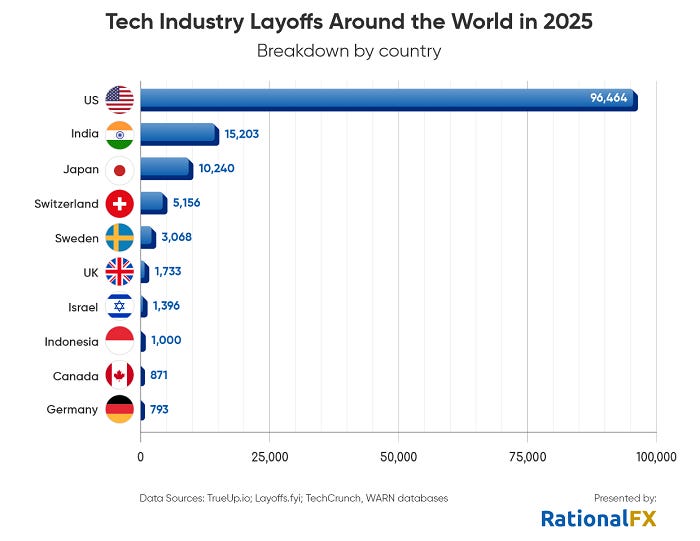
Goldman Sachs: 6-7% of U.S. workers will lose jobs to AI. Stanford: entry-level hiring in “AI-exposed jobs” down 13%.
Ford’s CEO: AI will “replace literally half of all white-collar workers.”
Salesforce: AI already does 50% of the company’s workload.
This isn’t theoretical. It’s happening.
Phase 2: Demand for everything collapses
Who pays for new kitchens? Office workers with disposable income. Who hires contractors? People with stable salaries. Who books electricians for commercial projects? Companies staffed by white-collar workers.
When AI eliminates 30-40% of office jobs, demand collapses:
That CPA building an ADU? Gone.
The lawyer remodeling his investment property? Fire-selling instead.
The sales guy replacing his roof? Patching it and hoping.
Blue-collar workers watch their phones stop ringing.
Phase 3: Labor markets flood, wages crater
Displaced office workers retrain. Fast. A desperate accountant with a mortgage learns a trade, gets licensed, undercuts established contractors by 50% just to pay rent.
They won’t be as skilled as someone with 10 years of experience. But they’ll be good enough for 80% of residential work, and they’ll have what most trade workers lack:
They show up on time
They answer their phone
They communicate professionally
They look like people you’d want in your home
The biggest complaint about contractors isn’t quality—it’s reliability. Office workers already have these skills.
Phase 4: The next generation amplifies it
Millions of 18-year-olds heading to college? If office jobs don’t exist, they head to trade schools instead. Universities retool. Yearly waves of millions enter blue-collar markets.
Supply and demand: 100,000 plumbers in a city becomes 400,000. The plumber charging $300 to replace a toilet competes with 500,000 others willing to do it for $20.
The Pattern Everyone Misses
AI doesn’t need to replace electricians. It just needs to eliminate enough office jobs that demand for construction collapses, then flood the market with retrained workers willing to undercut by 60%.
AI doesn’t need to replace designers. Companies don’t want productivity—they want cost reduction. If AI does 80% of the work for 10% of the cost, you’re gone.
AI doesn’t need to replace developers. Everyone’s “learning prompt engineering,” which means the skill is commoditizing in real-time.
The mistake: thinking your value comes from doing the work instead of from the system that creates demand for it.
What CEOs Actually Think
They’re not terrified of layoffs. They’re incentivized to do them.
Cutting payroll looks great to shareholders. Saying it’s “because of AI” is PR. The reduction in labor is why AI is drawing billions in investment.
From Reddit: “AI is just an excuse. They already wanted to lay these people off. Blame it on AI and shareholders won’t get spooked.”
The problem: they’re optimizing for next quarter, not next decade. No one’s thinking about what happens when 40% of the population has no income and can’t buy products.
One company’s employee is another company’s customer. If everyone cuts 40% of their workforce, who’s left to buy what the machines produce?
The top 10% of earners make up 50% of retail spending. Companies think: “We don’t need the bottom 90%.”
They will when they lose 50% of their income.
Why “Just Retrain” Fails
Previous transitions happened over decades. This is 3-5 years. There’s no time to absorb displaced workers gradually.
Where do you retrain to when AI hits service jobs, white-collar jobs, and blue-collar jobs simultaneously?
Even if you successfully retrain, so will 10 million others. Supply floods, wages collapse.
And robots are coming for physical work too. From a manufacturing project manager: “I installed automation that replaced 1,500 forklift drivers globally. AI replaced 99% of our inspectors. I’m watching them go through blue-collar jobs one by one.”
“Go learn blue-collar jobs” sounds exactly like “go learn to code” from six years ago.
The Only Real Protection
When demand collapses and supply floods, only one position survives:
Not needing anyone to hire you.
Because you own the thing people are buying.
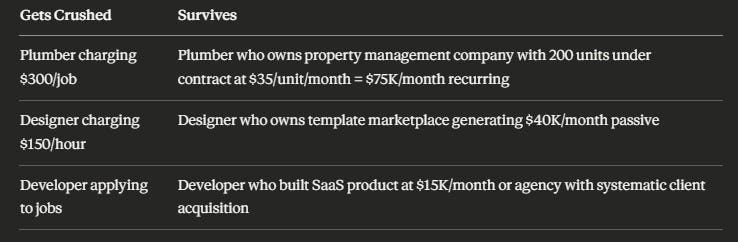
The shift isn’t about being better at your craft. It’s about controlling the value chain instead of being a commodity input.
Most people read this, feel anxious, do nothing. They wait until the market shifts, then panic when everyone else is adapting.
Premium subscribers get the tactical playbook: how to build an antifragile position where traditional employment doesn’t matter.
Below the paywall:
The Antifragile Career Framework Five business models that benefit from AI displacement. Work across all industries. Ranked by barrier to entry and income potential.
The 18-Month Transition Roadmap Move from “employee/contractor” to “owner” without quitting your income. Month-by-month breakdown.
Market Opportunities in the Collapse Specific gaps that open when AI floods markets. Where to position yourself to capture value instead of competing on price.
Skills That Actually Matter Why “learning AI” won’t save you. The three meta-skills that let you rebuild in any market.
Case Studies: People Who Made the Shift Real examples. What they built, how long it took, what they’d do differently.
Your choice: wait and hope, or build a position where it doesn’t matter what AI can do.