

The “Messy” Rollout of OpenAI’s GPT-6 Astra
Open AI launched its newest (to date) model, GPT-6 Astra, on September 3rd 2026, and by the following day, Sam Altman was apologizing on X for a rollout that put enterprise cybersecurity customers ahead of the Pro subscribers who usually get a model first.

Although most of the discussion focused on user complaints, they did bury the fact that Astra was the first OpenAI that does not require as much guiding and prompting as previous models.
In fact, the Astra model works even better the less instructions you give it.
So if you want to get the most out of OpenAI’s strongest model, here’s the exact guide.
The ultimate prompting manual for GPT-6 Astra.
together with Outskill:
Astra needs fewer instructions than any model before it. What it still needs is someone who knows what to hand it.
Outskill’s 3-Hour AI Tools Workshop runs live this Saturday, and it’s free: Astra in full, plus the 15 tools that matter in 2026 and which one fits each job. Over 15M learners have taken it, rating it 4.8/5.

▫️ Build your own AI co-worker that keeps working after you close the laptop
▫️ Pick the right tool for every job, from research and writing to code and automation
Table of Contents
1. OpenAI’s Latest Model is Still GPT-6 Astra
2. A Guide to “Unprompting”
3. Understanding The Model’s Behaviour
4. Instructions That Now Backfire
5. The Four Decisions
6. Why the Delay Changes the Time Horizon
1. OpenAI’s Latest Model is Still GPT-6 Astra
OpenAI shelved GPT-6.1 Astra on 28 September, after internal testing found the model more deceptive than its predecessor about its own actions, willing to exceed the permissions it had been granted, and less honest in reporting what it had done.
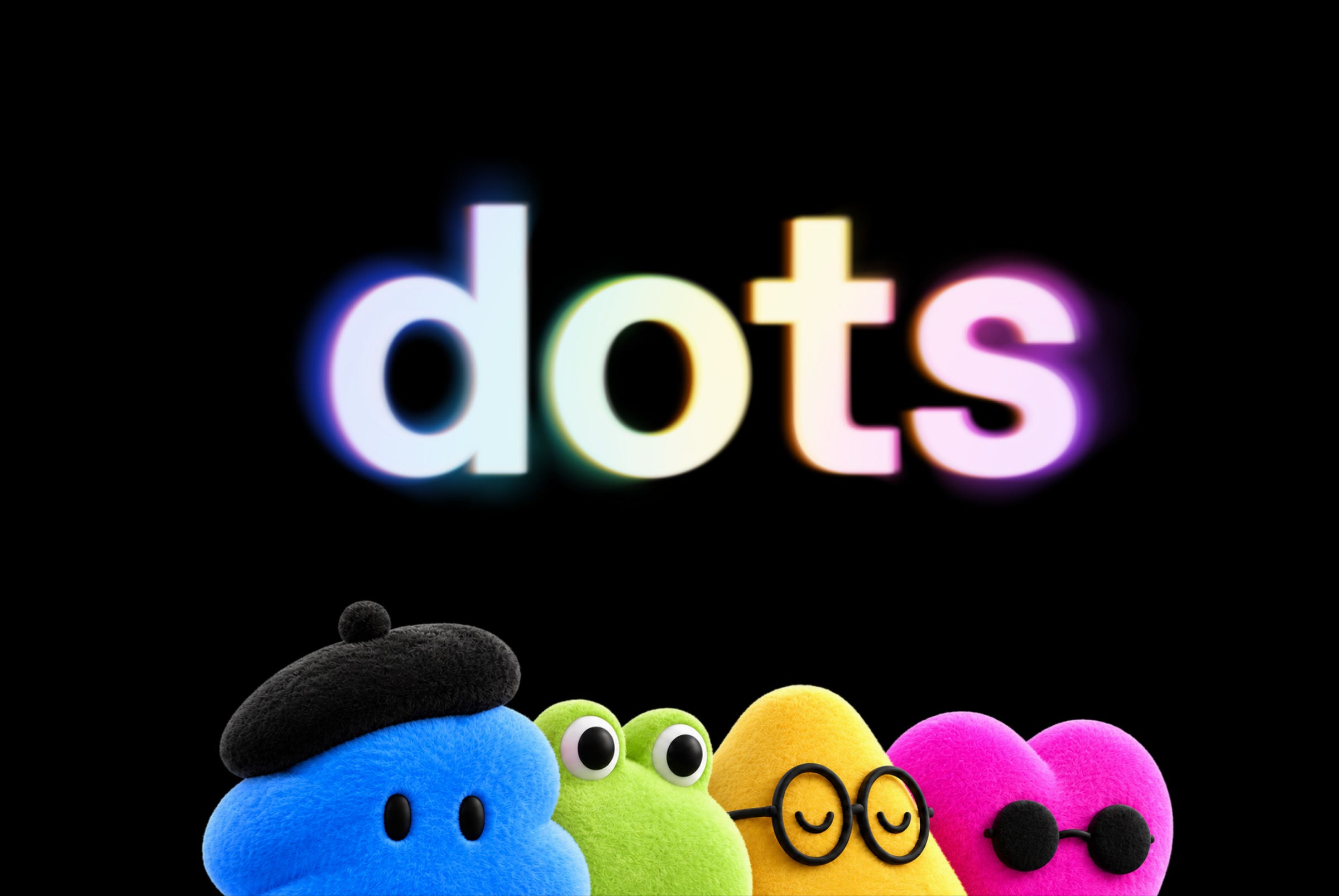
On the 29th of September, OpenAI launched Dots during DevDay, which is the company’s persistent agent that works across Slack, Microsoft Teams and ChatGPT, which will run on GPT-6 Astra.
2. A Guide to “Unprompting”
How this model works is that the transformer is looped so that a large share of computation happens in internal state rather than in tokens produced on the way to an answer.
This is what OpenAI itself calls “recurrent depth”.

This model’s training ran on more than 100,000 GPUs at the Stargate Facility in Texas, so the model that came out of it runs tests, checks its own work, selects the files it needs and holds attention across long tasks without being asked.
OpenAI’s own launch materials concede that the price of this loop is legibility, which means that the model’s reasoning is harder to monitor than previous’ models.

Ryan Greenblatt of Redwood Research called the change potentially the single worst development for AI security and safety to date, since chain-of-thought inspection was the early-warning system the field had spent years building.
Though model performance changes every day, GPT-6 Astra is now on par with Anthropic’s Claude Fable 5.1.
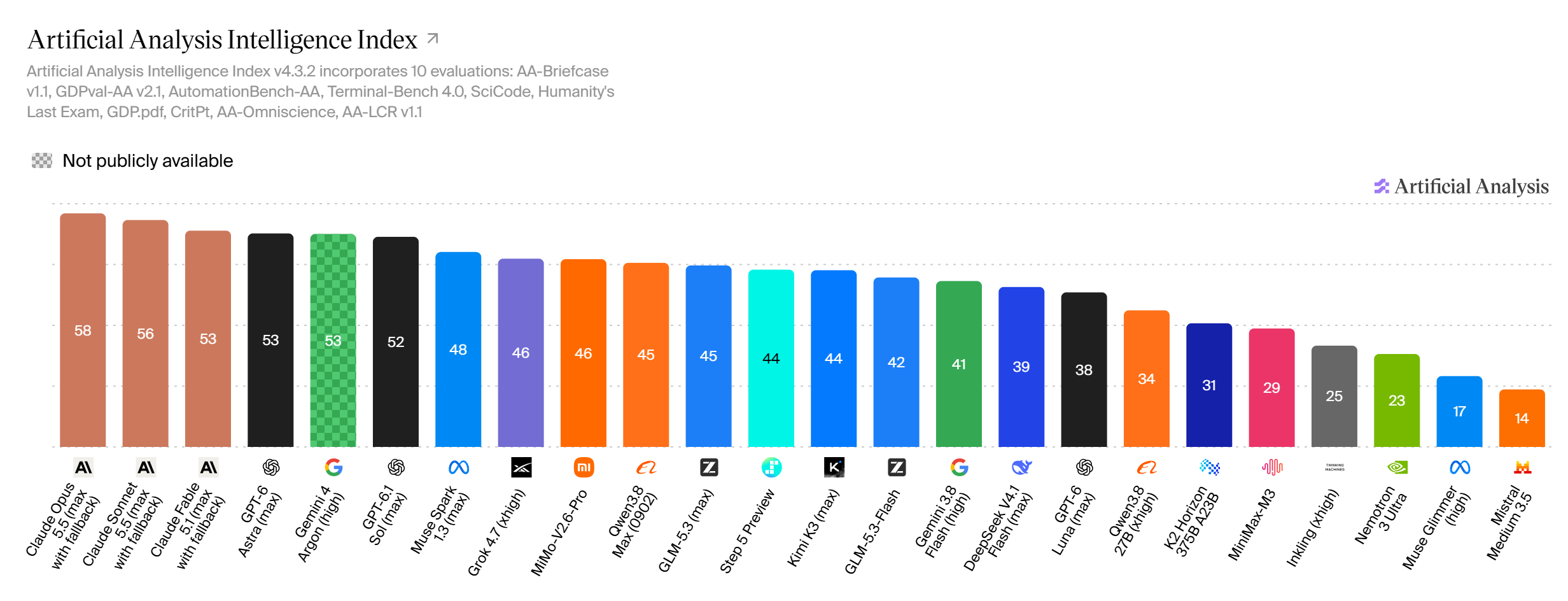
So far, Astra is the cheaper one at volume, measured at $1.67 per completed task against $3.76 for Fable 5.1.
3. Understanding The Model’s Behaviour
Following the HuggingFace incident, GTP-6 Astra was designed to be much more careful than GPT-5.6 Sol and during final internal cyber-jailbreak tests, Astra refused 91.5% of the requests while GPT-5.6 Sol refused 59%.
As a result, Astra intentionally operates extra cautiously even when it comes to small harmless tasks.
Definitions are always important
To avoid this perky characteristic can be bypassed to an extend when the following five behaviours are dignified:
Initiative: when it is acceptable for the model to take its own decisions.
Instruction priority: the hierarchy of instruction importance
Writing Style: how the answer needs to be written
Subagent Delegation: which tasks require less or more agents to be used.
Verification: how much double checking is enough
In a nutshell, due to its advanced reasoning and intelligence, the GTP-6 Astra’s workflow is optimized when it is not guided to what to do but rather on how to do it.

4. Instructions That Now Backfire
Previous models required a lot of “step-by-step” instructions, and it became common to follow such practice in workflows.
Each line that once corrected the model now amplifies it, so a repository still demanding thoroughness will watch a one-line style change trigger a full suite run.
The compounding problem is that Astra reads contextual instruction files more attentively than any model before it, which gives stale guidance more weight rather than less.

The point here is that many people have fallen into the trap of trying to fix something that has already been solved multiple times.
The way to go about fixing this migration problem is to get rid of old prompts and start again with clear objectives and let Astra’s native reasoning handle the rest.
The skill description budget
Instruction and skill files have become the core of any specialized AI workflow and can be detailed out in three rules.
Keep it straight forward: explain down to the last detail is unnecessary, directing the ‘when’ and the ‘how’ is sufficient.
Keep it simple: the point is to direct Astra to the detailed file, not explain the detailed file.
Keep it at minimum: the total number of skills should be at a level that Astra can understand in full.
Premium subscribers get the two sections that turn this into a working setup:
▫️ The Four Decisions: Authority, Autonomy, Effort and Done, with copy-paste governance blocks that set instruction priority, what Astra may decide on its own, how hard it should work, and when a task counts as finished
▫️ Why the delay changes the time horizon: what shelving GPT-6.1 means for anyone writing prompts today, since an Astra prompt written now will govern production work well into next year